
The Truth About How Chicken Nuggets Are Made
Chicken nuggets are a widely popular type of processed chicken; they can be found in fast-food restaurants as well as in the frozen food sections of supermarkets and have thus become a standard item in the global food market. However, how are they made? The truth about how chicken nuggets are made includes much more than simply dealing with the raw chicken; it involves a number of industrial stages such as forming, coating (that is, breading or battering), frying, freezing, and packaging. The following article looks at the manufacturing process from the point of view of a food producer, outlining the various steps and the main considerations when it comes to large-scale production.
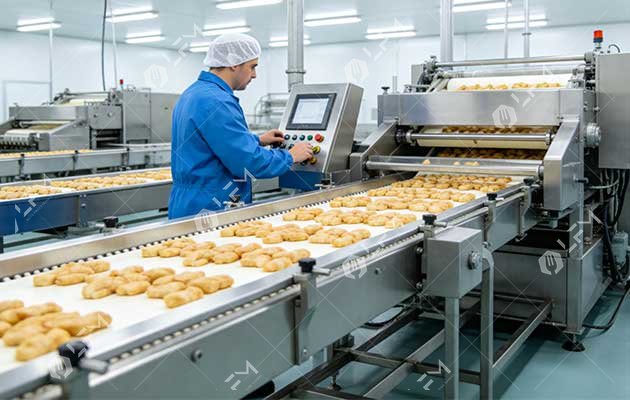
1. Preparing and grating the chicken
The chicken should first be examined to make sure that it is fresh and complies with food processing requirements; depending on the type of product, it is then trimmed and cut as needed with the undesirable parts removed, after which it is processed in a meat grinder to obtain a particle size appropriate for shaping.
2. Mixing and Seasoning
After it has been ground, the chicken is put into mixing equipment and there it is mixed with salt, spices, starch, and other ingredients which comply with food safety standards.
3. The preparation of the chicken pieces
The chicken is shaped into a variety of forms, such as circles, ovals, hearts, or irregular ones, by means of using molds.
4. Battering and Breading
After they have been formed the chicken pieces are coated with batter and breading; this results in a crunchy outer layer as well as improving the product's look and texture.
The frying of the chicken pieces.
The chicken pieces are first fried for a particular temperature and time period. This temperature and time are decided upon in accordance with the size of the chicken pieces, the thickness of the coating, and the specific requirements for processing the product.
6. Cooling, Quick Freezing, and Packaging
The chicken pieces are fried, then any excess oil is drained from them and they are cooled, after which the next stages of production are carried out according to the type of product.
Frozen chicken products are usually quickly frozen using quick-freezing equipment in order to rapidly pass the product through the temperature range in which ice crystals form most easily; this in turn reduces the effect that ice crystal formation has on the product's structural integrity.
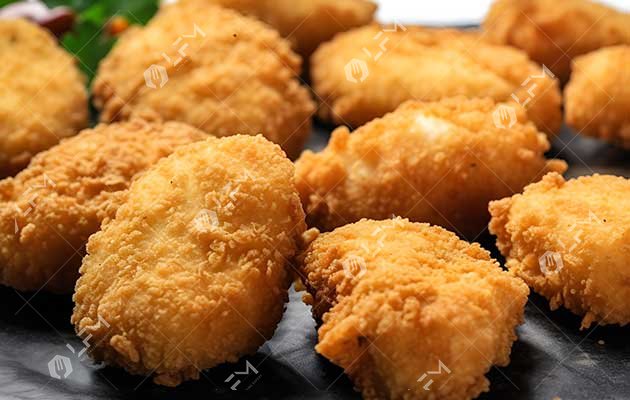
Since chicken is a perishable food, it is necessary to set up effective systems for inspecting the raw materials and for managing the cold chain. When it is being processed the temperature of the chicken must be strictly controlled in order to avoid prolonged exposure to unsuitable environmental conditions and thus to reduce the risk of microbial growth.
2. The consistency of the battering and breading
The appearance and texture of the chicken nuggets are affected by the thickness of the batter coating, the particle size of the breadcrumbs, and the speed at which the equipment operates. In order to achieve consistency between different production batches, factories have to adjust the equipment settings in accordance with the particular product formulations.
3. The temperature for frying and the length of time for frying
When the temperature at which frying is carried out is too high, the outer surface of the chicken nuggets may turn too dark before the inside is properly cooked; on the other hand, if the temperature is too low, the nuggets may absorb too much oil and end up with an unappealing texture on the outside. It is therefore necessary to carefully control the oil temperature, the frying time, and the quality of the frying oil.
In fact, the industrial production of chicken nuggets goes well beyond the simple process of grinding up the meat and frying it; it involves a full-scale chicken nugget processing system which includes the handling of raw materials, the formulation of recipes, shaping, battering and breading, frying, and lastly freezing and packaging.
Main Production Process for Chicken Nuggets
Chicken Preparation → Grinding and Mixing → Forming → Battering → Breading → Frying → Cooling or Quick-Freezing → Packaging1. Preparing and grating the chicken
The chicken should first be examined to make sure that it is fresh and complies with food processing requirements; depending on the type of product, it is then trimmed and cut as needed with the undesirable parts removed, after which it is processed in a meat grinder to obtain a particle size appropriate for shaping.
2. Mixing and Seasoning
After it has been ground, the chicken is put into mixing equipment and there it is mixed with salt, spices, starch, and other ingredients which comply with food safety standards.
3. The preparation of the chicken pieces
The chicken is shaped into a variety of forms, such as circles, ovals, hearts, or irregular ones, by means of using molds.
4. Battering and Breading
After they have been formed the chicken pieces are coated with batter and breading; this results in a crunchy outer layer as well as improving the product's look and texture.
The frying of the chicken pieces.
The chicken pieces are first fried for a particular temperature and time period. This temperature and time are decided upon in accordance with the size of the chicken pieces, the thickness of the coating, and the specific requirements for processing the product.
6. Cooling, Quick Freezing, and Packaging
The chicken pieces are fried, then any excess oil is drained from them and they are cooled, after which the next stages of production are carried out according to the type of product.
Frozen chicken products are usually quickly frozen using quick-freezing equipment in order to rapidly pass the product through the temperature range in which ice crystals form most easily; this in turn reduces the effect that ice crystal formation has on the product's structural integrity.
When making chicken nuggets in a factory, what factors ought to be taken into account?
1. The quality of the raw material and temperature controlSince chicken is a perishable food, it is necessary to set up effective systems for inspecting the raw materials and for managing the cold chain. When it is being processed the temperature of the chicken must be strictly controlled in order to avoid prolonged exposure to unsuitable environmental conditions and thus to reduce the risk of microbial growth.
2. The consistency of the battering and breading
The appearance and texture of the chicken nuggets are affected by the thickness of the batter coating, the particle size of the breadcrumbs, and the speed at which the equipment operates. In order to achieve consistency between different production batches, factories have to adjust the equipment settings in accordance with the particular product formulations.
3. The temperature for frying and the length of time for frying
When the temperature at which frying is carried out is too high, the outer surface of the chicken nuggets may turn too dark before the inside is properly cooked; on the other hand, if the temperature is too low, the nuggets may absorb too much oil and end up with an unappealing texture on the outside. It is therefore necessary to carefully control the oil temperature, the frying time, and the quality of the frying oil.
In fact, the industrial production of chicken nuggets goes well beyond the simple process of grinding up the meat and frying it; it involves a full-scale chicken nugget processing system which includes the handling of raw materials, the formulation of recipes, shaping, battering and breading, frying, and lastly freezing and packaging.
Leave Your Message
If you are interested in our machine or any question, don't hesitate to contact us.