
Home > Products > Potato Chips Machinery >
Features
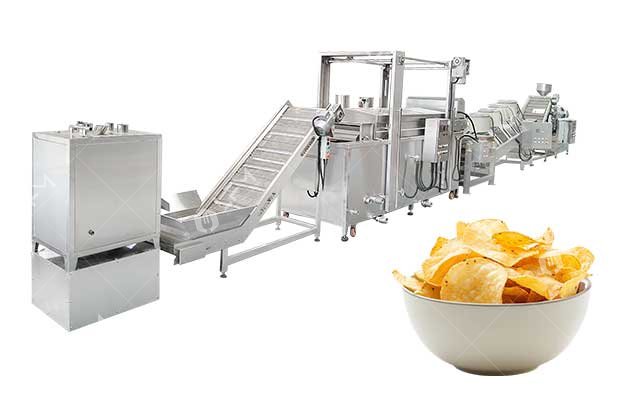
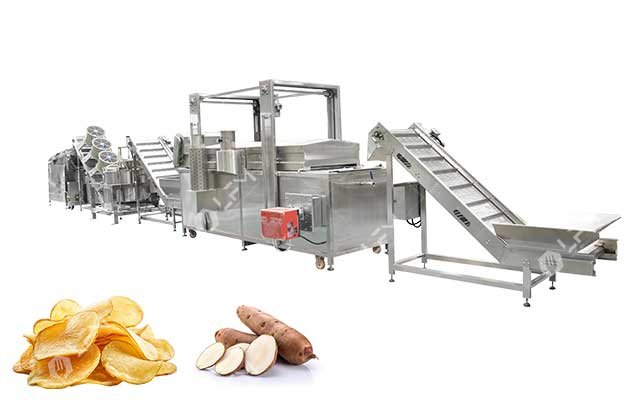
Cassava is a root crop widely cultivated in africa, southeast asia, south america, and the caribbean. Beyond its use in processed products such as starch and flour, fresh cassava can also be transformed into cassava crisps using specialized cassava crisps processing machine and marketed as a snack food.
Ceriping is a type of thin, chip-like snack typically made from fresh cassava. After washing, peeling, and slicing, the cassava undergoes appropriate pretreatment and deep-frying to achieve a golden-yellow appearance and a crispy texture.
As cassava naturally contains cyanogenic glycosides, the processing of raw materials and the implementation of food safety controls are critical. The extent to which cyanogenic glycoside levels are reduced varies depending on the cassava variety and processing method; therefore, pretreatment protocols in actual production should be determined based on local food regulations, the specific cassava variety, and process validation.
Fresh cassava → washing → peeling → slicing → frying → de-oiling → cooling/seasoning → packaging
1. Washing
Fresh cassava roots are typically covered with soil, sand, and grit, requiring thorough cleaning using a cassava washing machine. Industrial-scale production may utilize drum-type, brush-type, or other cleaning equipment suited to the raw material's characteristics to ensure the cassava is clean before proceeding to subsequent processing stages. This is a critical step in the cassava crisps processing machine, as it determines the safety of the raw material.
2. Peeling
After washing, the cassava enters the peeling equipment to remove the outer brown skin and any parts unsuitable for the final product. The peeling process must balance two requirements: Ensuring the skin is thoroughly removed while avoiding excessive removal of the edible flesh, which would otherwise increase raw material loss.
3. Slicing
Slice thickness is a key parameter determining the texture of ceriping (cassava crisps). The thickness directly affects crispness and frying performance; uniform slicing ensures consistent heat exposure across the chips, thereby minimizing issues such as some pieces burning while others remain undercooked.
4. Frying
This is a crucial step in the cassava crisps processing machine. The sliced cassava chips enter a continuous fryer. During the frying process, moisture is gradually released from within the chips, while the product develops its characteristic color, aroma, and crispy structure.
5. De-oiling
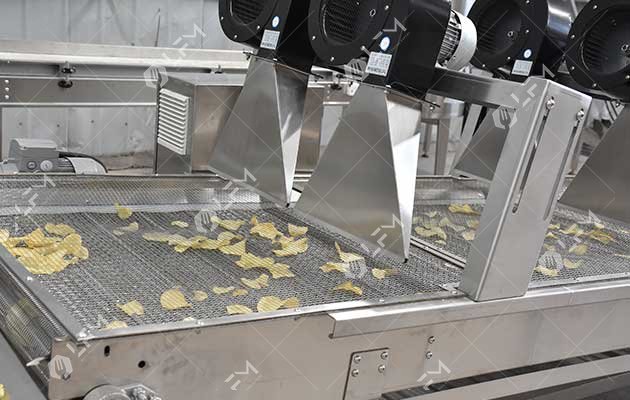
After frying, a certain amount of hot oil remains on the surface of the cassava chips, so a de-oiling machine is required to remove the excess oil. De-oiling not only reduces the greasy mouthfeel of the product but also facilitates subsequent seasoning, cooling, and packaging.
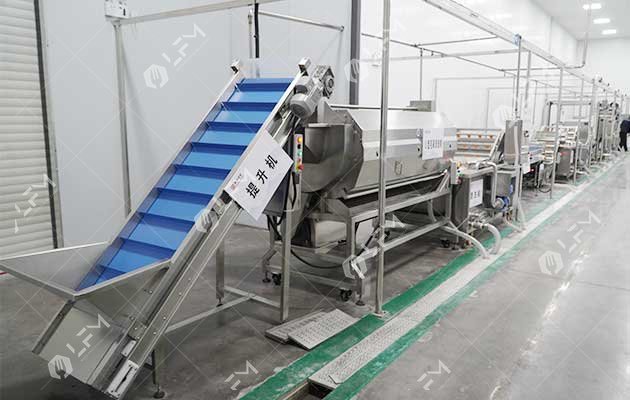
Cassava washing machine → cassava peeling machine → slicing machine → frying machine → de-oiling machine → cooling machine → seasoning machine → packaging machine
Features:
Continuous production: Equipment units are linked by a conveying system, minimizing manual handling.
Adjustable slice thickness: Slicing specifications can be adjusted to meet specific product requirements.
Precise oil temperature control: The fryer maintains consistent oil temperature, ensuring product uniformity.
Food-grade materials: Components in contact with the product can be made from food-grade stainless steel.
Customizable capacity: The ceriping production line can be designed based on the client's raw material supply, factory space, and target output.
1. Can the ceriping production line process potatoes and sweet potatoes?
Yes. With appropriate adjustments, the same equipment used for washing, peeling, slicing, frying, and de-oiling can process root crops such as potatoes and sweet potatoes.
2. What is the frying temperature for cassava crisps?
Generally, a range of 170–180°c serves as a reference for industrial production, though the actual temperature should be determined through trial runs. Factors such as slice thickness, raw material moisture content, and the desired final color will influence the specific parameters.
3. Do cassava crisps require pre-treatment before frying?
Depending on the cassava variety, food safety requirements, and product formulation, additional steps such as soaking, rinsing, pre-cooking/blanching, or dehydration may be necessary. In particular, the issue of naturally occurring cyanogenic glycosides in cassava must be managed in accordance with local regulations and validated processing methods.
4. Can the cassava crisps production line be customized?
Yes. The production line can be customized based on factors such as production capacity, factory floor space, raw material characteristics, energy availability, product specifications, and the desired level of automation; options include semi-automatic or continuous production solutions.
What is ceriping?
Ceriping is a type of thin, chip-like snack typically made from fresh cassava. After washing, peeling, and slicing, the cassava undergoes appropriate pretreatment and deep-frying to achieve a golden-yellow appearance and a crispy texture.As cassava naturally contains cyanogenic glycosides, the processing of raw materials and the implementation of food safety controls are critical. The extent to which cyanogenic glycoside levels are reduced varies depending on the cassava variety and processing method; therefore, pretreatment protocols in actual production should be determined based on local food regulations, the specific cassava variety, and process validation.
Main processing steps for cassava crisps:
Fresh cassava → washing → peeling → slicing → frying → de-oiling → cooling/seasoning → packaging1. Washing
Fresh cassava roots are typically covered with soil, sand, and grit, requiring thorough cleaning using a cassava washing machine. Industrial-scale production may utilize drum-type, brush-type, or other cleaning equipment suited to the raw material's characteristics to ensure the cassava is clean before proceeding to subsequent processing stages. This is a critical step in the cassava crisps processing machine, as it determines the safety of the raw material.
2. Peeling
After washing, the cassava enters the peeling equipment to remove the outer brown skin and any parts unsuitable for the final product. The peeling process must balance two requirements: Ensuring the skin is thoroughly removed while avoiding excessive removal of the edible flesh, which would otherwise increase raw material loss.
3. Slicing
Slice thickness is a key parameter determining the texture of ceriping (cassava crisps). The thickness directly affects crispness and frying performance; uniform slicing ensures consistent heat exposure across the chips, thereby minimizing issues such as some pieces burning while others remain undercooked.
4. Frying
This is a crucial step in the cassava crisps processing machine. The sliced cassava chips enter a continuous fryer. During the frying process, moisture is gradually released from within the chips, while the product develops its characteristic color, aroma, and crispy structure.
5. De-oiling
After frying, a certain amount of hot oil remains on the surface of the cassava chips, so a de-oiling machine is required to remove the excess oil. De-oiling not only reduces the greasy mouthfeel of the product but also facilitates subsequent seasoning, cooling, and packaging.
Main equipment and features of the ceriping production line:
A complete ceriping production line primarily consists of the following equipment:Cassava washing machine → cassava peeling machine → slicing machine → frying machine → de-oiling machine → cooling machine → seasoning machine → packaging machine
Features:
Continuous production: Equipment units are linked by a conveying system, minimizing manual handling.
Adjustable slice thickness: Slicing specifications can be adjusted to meet specific product requirements.
Precise oil temperature control: The fryer maintains consistent oil temperature, ensuring product uniformity.
Food-grade materials: Components in contact with the product can be made from food-grade stainless steel.
Customizable capacity: The ceriping production line can be designed based on the client's raw material supply, factory space, and target output.
FAQ:
1. Can the ceriping production line process potatoes and sweet potatoes?Yes. With appropriate adjustments, the same equipment used for washing, peeling, slicing, frying, and de-oiling can process root crops such as potatoes and sweet potatoes.
2. What is the frying temperature for cassava crisps?
Generally, a range of 170–180°c serves as a reference for industrial production, though the actual temperature should be determined through trial runs. Factors such as slice thickness, raw material moisture content, and the desired final color will influence the specific parameters.
3. Do cassava crisps require pre-treatment before frying?
Depending on the cassava variety, food safety requirements, and product formulation, additional steps such as soaking, rinsing, pre-cooking/blanching, or dehydration may be necessary. In particular, the issue of naturally occurring cyanogenic glycosides in cassava must be managed in accordance with local regulations and validated processing methods.
4. Can the cassava crisps production line be customized?
Yes. The production line can be customized based on factors such as production capacity, factory floor space, raw material characteristics, energy availability, product specifications, and the desired level of automation; options include semi-automatic or continuous production solutions.
Technical Data
FAQ
1, How much is the machine cost? Answer: Different models have different price, just tell us your requirement, our sale will suggest you suitable model and price. 2, What is the raw material of your machine? Answer: Our machines are made of stainless steel material, if you have special requirement for the machine, just feel free to tell us. 3, What if the voltage can't fit our country? Answer: The voltage can be customized, just tell us before the machine is made. 4, For the frying machine, which heating way is better? Answer: Dear, we have gas heating and electric heating, also can be customized. You can choose the suitable one according to your need.
Leave Your Message
If you are interested in our machine or any question, don't hesitate to contact us.